
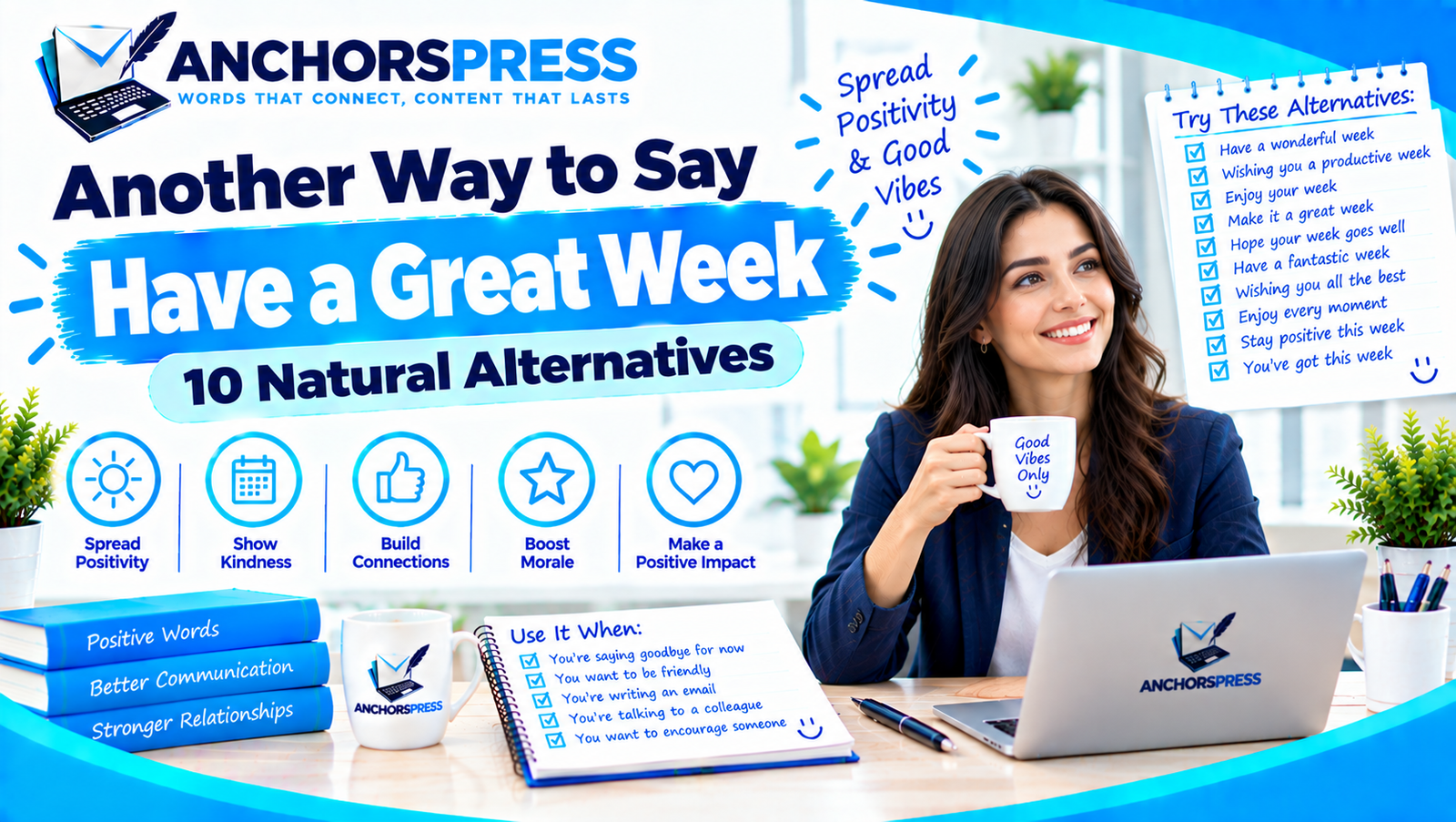
“Have a great week” is a friendly and positive expression, but using the same phrase repeatedly can become predictable. Whether you are ending a work email, texting a friend, or sending someone a kind message on Monday, there are plenty of natural alternatives.
The right wording can also help you match the tone of your message. Some phrases sound professional and polished, while others feel casual, warm, or personal.
What Does “Another Way to Say Have a Great Week” Mean?
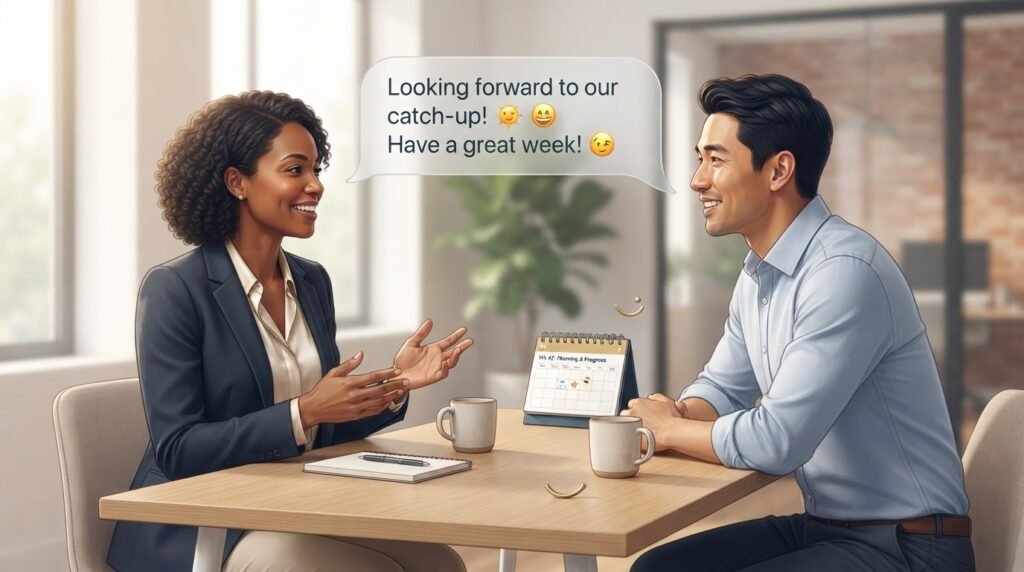
Looking for another way to say have a great week means finding alternative phrases that express the same positive wish. You want to wish someone happiness, success, or a pleasant week without repeating the exact same words.
People commonly use these alternatives in emails, text messages, social media posts, workplace conversations, and personal messages. Choosing a different phrase can make your communication sound more natural and thoughtful.
Why Use Other Ways to Say “Have a Great Week”?\
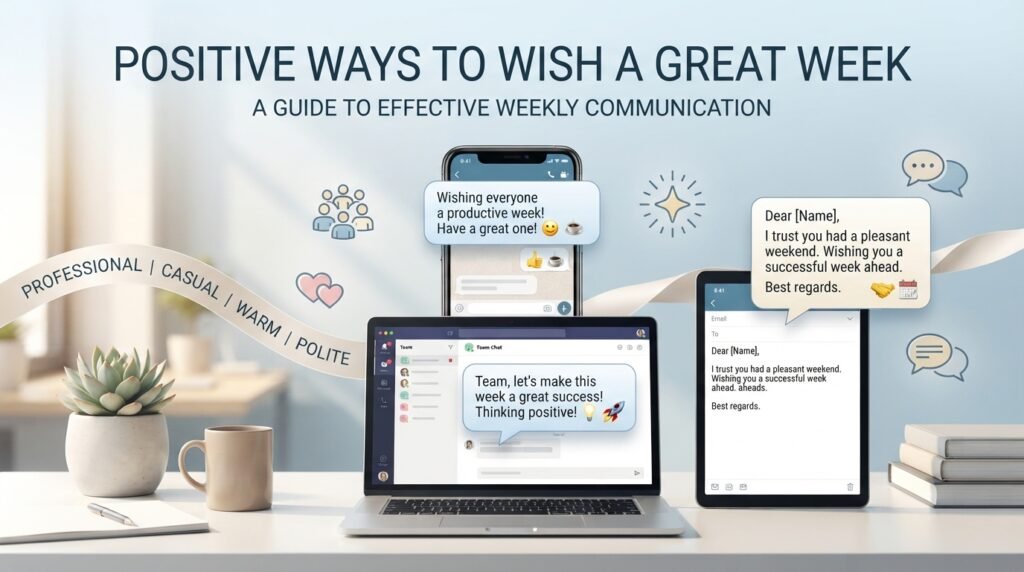
Using different ways to wish someone a good week can improve the tone and variety of your communication.
Benefits include:
- Avoiding repetitive language
- Sounding more natural and conversational
- Matching formal or casual situations
- Making professional messages feel more polished
- Showing warmth and genuine kindness
- Making your message feel more personal
A small change in wording can also make a familiar message feel fresh.
10 Best Other Ways to Say “Have a Great Week”
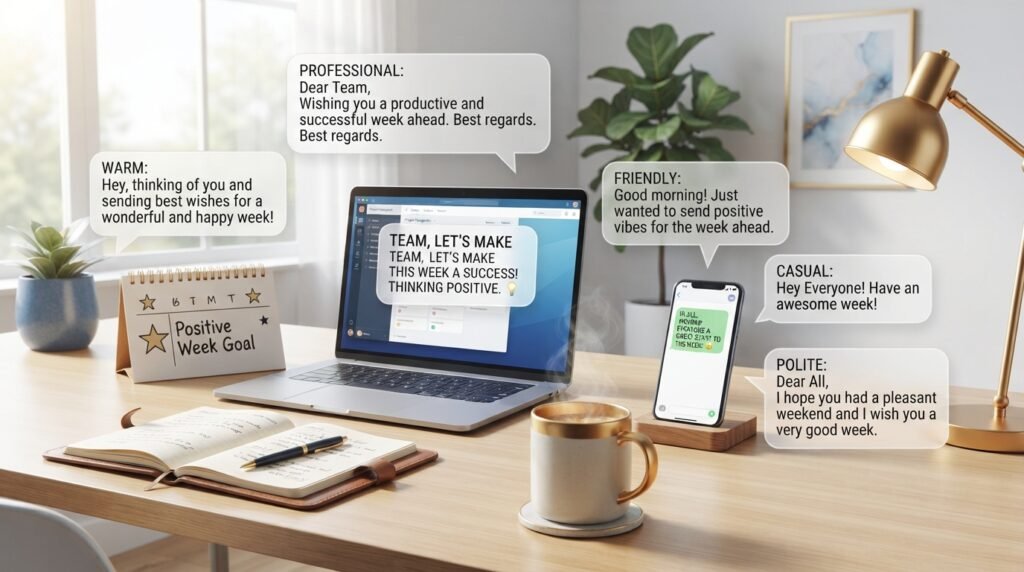
1. Hope You Have a Wonderful Week
Meaning
This phrase expresses a sincere wish for someone to enjoy the week ahead. It sounds warm and thoughtful without being overly personal.
Best For
- Friendly
- Warm
- Polite
Example 1
Hope you have a wonderful week and get everything accomplished that you planned.
Example 2
Thanks again for your help, and I hope you have a wonderful week ahead.
Quick Tip
Use this phrase when you want your message to sound genuine and slightly more personal than “have a great week.”
2. Wishing You a Fantastic Week
Meaning
“Wishing you a fantastic week” has an upbeat and positive tone. It works well when you want to send someone an encouraging message.
Best For
- Friendly
- Warm
- Professional
Example 1
Wishing you a fantastic week filled with progress and good news.
Example 2
It was great talking with you today—wishing you a fantastic week ahead.
Quick Tip
This phrase works especially well when you want to sound positive without being too casual.
3. Have an Amazing Week Ahead
Meaning
This alternative feels enthusiastic and optimistic. It places attention on the opportunities and experiences waiting for the person in the coming days.
Best For
- Casual
- Friendly
- Warm
Example 1
Have an amazing week ahead, and I hope your new project goes smoothly.
Example 2
You deserve some good things this week, so have an amazing week ahead.
Quick Tip
Use “amazing” when your relationship with the person is friendly or informal.
4. Hope Your Week Is Off to a Great Start
Meaning
This phrase is useful when the week has already begun. Instead of wishing someone a great week in advance, you acknowledge the present moment.
Best For
- Professional
- Friendly
- Polite
Example 1
Good morning, and I hope your week is off to a great start.
Example 2
I wanted to check in and hope your week is off to a great start so far.
Quick Tip
This is a natural choice for Monday or Tuesday emails and messages.
5. Wishing You a Productive and Positive Week
Meaning
This phrase focuses on both success and well-being. It is especially suitable when speaking with coworkers, clients, or professional contacts.
Best For
- Professional
- Formal
- Polite
Example 1
Wishing you a productive and positive week as you prepare for the upcoming launch.
Example 2
Thank you for your time, and I’m wishing you a productive and positive week ahead.
Quick Tip
Use this option in professional settings where “great” or “amazing” may sound too casual.
6. Enjoy the Week Ahead
Meaning
“Enjoy the week ahead” is short, simple, and natural. It encourages someone to make the most of the days ahead.
Best For
- Casual
- Friendly
- Professional
Example 1
Enjoy the week ahead, and let me know how your presentation goes.
Example 2
It was nice catching up with you—enjoy the week ahead!
Quick Tip
Choose this phrase when you want a quick and easy closing for a message.
7. Hope You Have a Great Week Ahead
Meaning
This version keeps the familiar meaning of the original phrase while adding a more forward-looking feel. It sounds natural in both written and spoken communication.
Best For
- Friendly
- Professional
- Polite
Example 1
I hope you have a great week ahead and plenty of time to recharge.
Example 2
Thanks for the update. Hope you have a great week ahead!
Quick Tip
This is a safe, versatile choice when you are unsure how formal your message should be.
8. Make It a Great Week
Meaning
This phrase sounds encouraging and energetic. It suggests that the person has the power to make the upcoming week meaningful and successful.
Best For
- Casual
- Friendly
- Motivational
Example 1
You’ve got a lot of exciting things coming up, so make it a great week!
Example 2
Take care, stay focused, and make it a great week.
Quick Tip
Use this phrase when you want your message to sound motivating rather than simply polite.
9. Have a Wonderful Week Ahead
Meaning
This phrase has a warm and polished tone. It is slightly more thoughtful than a simple “have a good week.”
Best For
- Warm
- Friendly
- Polite
Example 1
Have a wonderful week ahead, and I hope you get some time to relax.
Example 2
I’m glad we connected today. Have a wonderful week ahead!
Quick Tip
This option works well for both personal messages and polite business communication.
10. All the Best for the Week Ahead
Meaning
“All the best for the week ahead” expresses good wishes in a more polished way. It can sound supportive, respectful, and slightly formal.
Best For
- Professional
- Formal
- Polite
Example 1
All the best for the week ahead as you begin your new role.
Example 2
I appreciate your time today, and I wish you all the best for the week ahead.
Quick Tip
Choose this phrase for professional emails or when you want to sound especially respectful.
Comparison Table

| Alternative | Best Used In | Tone |
| Hope You Have a Wonderful Week | Personal messages, emails | Warm |
| Wishing You a Fantastic Week | Friendly and professional messages | Positive |
| Have an Amazing Week Ahead | Texts and casual conversations | Enthusiastic |
| Hope Your Week Is Off to a Great Start | Monday and early-week messages | Friendly |
| Wishing You a Productive and Positive Week | Workplace communication | Professional |
| Enjoy the Week Ahead | Casual and professional messages | Relaxed |
| Hope You Have a Great Week Ahead | Almost any situation | Versatile |
| Make It a Great Week | Encouraging messages | Motivational |
| Have a Wonderful Week Ahead | Personal and polite messages | Warm |
| All the Best for the Week Ahead | Business and formal communication | Polished |
Common Mistakes
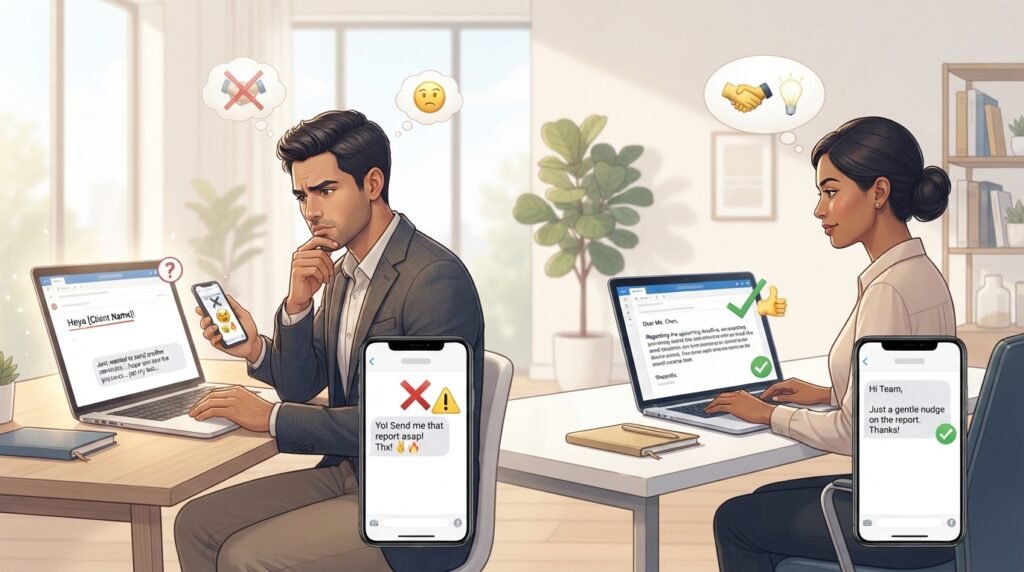
1. Using Casual Language in a Formal Email
Phrases such as “Have an awesome week!” may be too informal for certain business relationships. Consider the recipient and workplace culture before choosing casual wording.
2. Choosing Language That Sounds Too Formal
Very formal wording can sound distant in a message to a close friend or coworker. Match the phrase to your relationship with the person.
3. Repeating the Same Phrase Every Time
Ending every email with “Have a great week” can make your messages feel routine. Rotate between a few natural alternatives.
4. Forgetting the Context
A phrase should fit the timing and situation. For example, “Hope your week is off to a great start” makes more sense early in the week.
5. Sounding Insincere
Overly enthusiastic language can feel forced if it does not match your normal communication style. Choose words you would naturally say.
Frequently Asked Questions
What is another professional way to say have a great week?
A professional alternative is “Wishing you a productive and positive week” or “All the best for the week ahead.” These phrases sound polished and respectful while still expressing goodwill. They work well in emails to coworkers, clients, managers, and other professional contacts.
How do you say have a great week in a formal way?
For a more formal tone, you can say “Wishing you all the best for the week ahead” or “I wish you a productive and successful week.” These options are suitable when communicating with someone you do not know well or in a professional environment.
What can I say instead of have a good week?
You can say “Enjoy the week ahead,” “Have a wonderful week,” “Make it a great week,” or “Wishing you a fantastic week.” The best choice depends on the tone you want. Some options sound casual and energetic, while others are warmer or more professional.
Is it correct to say have a great week ahead?
Yes, “Have a great week ahead” is correct and natural in American English. Adding “ahead” emphasizes that you are talking about the upcoming days. It is a friendly expression that works well in texts, emails, and everyday conversations.
How do you wish someone a good week on Monday?
On Monday, you can say “Hope your week is off to a great start” or “Wishing you a great start to the week.” These phrases feel especially natural because the week has just begun. They also work well as friendly email greetings.
What is a warm way to wish someone a great week?
A warm option is “Hope you have a wonderful week ahead.” You could also say “Wishing you a beautiful and peaceful week.” These expressions feel caring and personal, making them a good choice for friends, family members, and close colleagues.
Can I say make it a great week?
Yes, “Make it a great week” is a natural and encouraging expression. It has a slightly motivational tone because it suggests taking an active approach to the week. It works best with friends, teammates, coworkers, or people you want to encourage.
What is a short way to say have a great week?
For a shorter message, try “Enjoy your week!” “Have a good one!” or “Have a great week ahead!” These options are quick and natural for texts, casual emails, or social media messages. Choose one that matches the level of formality you need.
Conclusion
Finding another way to say have a great week can make your messages sound more natural, thoughtful, and appropriate for the situation. For professional communication, phrases like “Wishing you a productive and positive week” or “All the best for the week ahead” work well. For friends and casual conversations, options such as “Have an amazing week ahead” or “Make it a great week” feel more relaxed and upbeat.
Want to expand your vocabulary further? Explore more synonyms and alternative greetings to find expressions that match different situations and tones.

Amara Reyes has taught English to adult learners for over eight years. She focuses on how phrases are actually used in everyday conversation, not just textbook definitions.