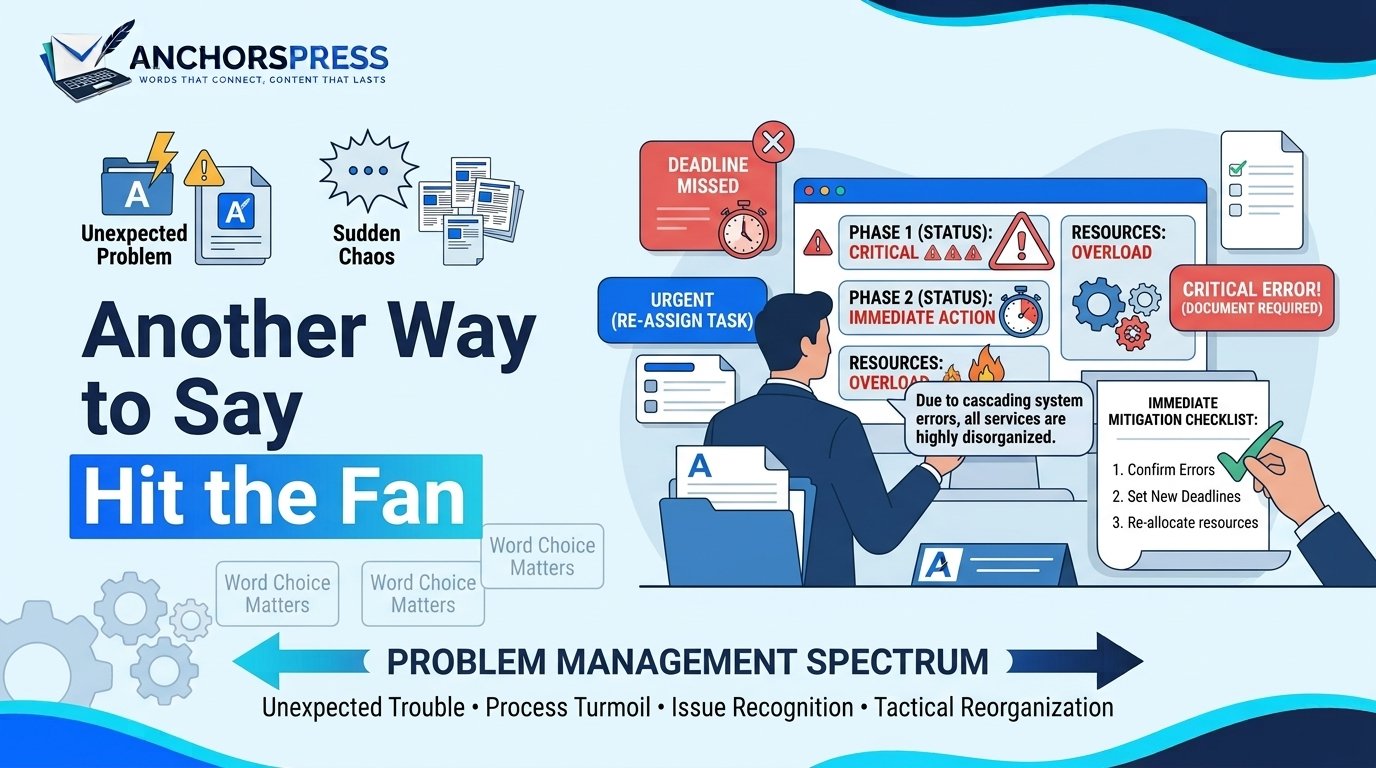
The phrase “hit the fan” is a common idiom used when a situation suddenly becomes chaotic, serious, or difficult. It is often used after a hidden problem is revealed or when the consequences of something can no longer be avoided.
However, the phrase can sound informal or slightly crude in some settings. Fortunately, there are many other ways to say “hit the fan” that work in casual conversations, professional discussions, and formal writing.
What Does “Hit the Fan” Mean?
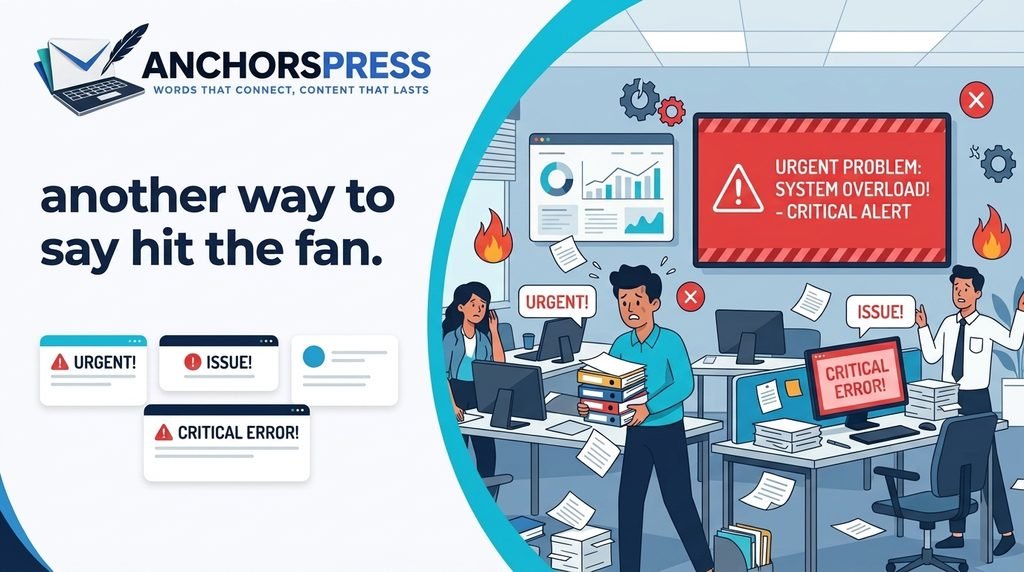
“Hit the fan” means that a difficult situation has suddenly become serious, chaotic, or impossible to ignore. It often suggests that problems have reached a breaking point.
People commonly use the phrase when discussing unexpected consequences, scandals, arguments, mistakes, or major problems. For example, someone might say, “Things really hit the fan when the manager found out about the missing money.”
The expression is most common in casual American English. Because it can sound blunt, it may not be the best choice for professional emails or formal writing.
Why Use Other Ways to Say “Hit the Fan”?
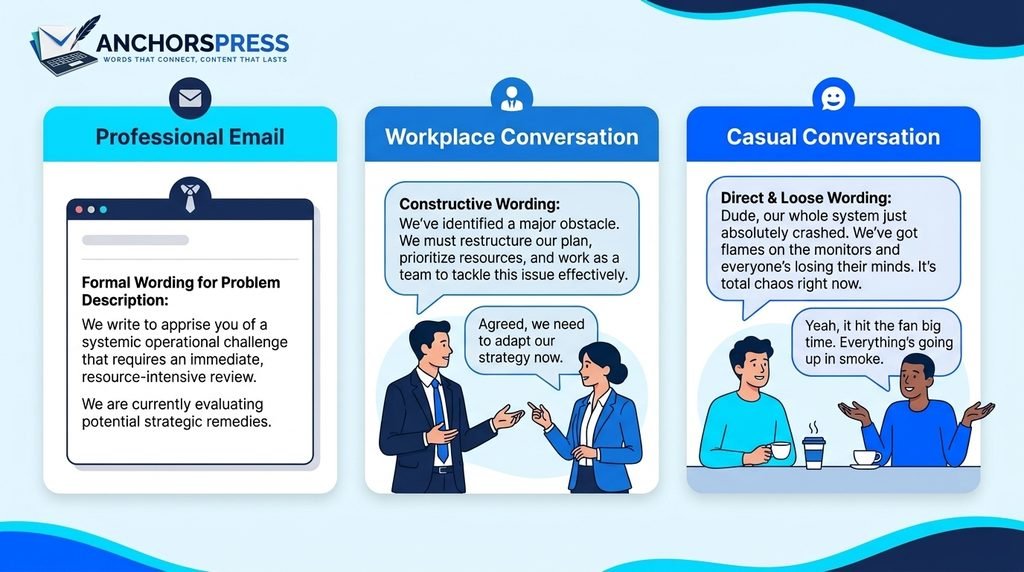
Using alternatives to “hit the fan” helps you choose language that better fits the situation. Some options sound professional, while others sound more casual or dramatic.
Here are a few benefits:
- Avoid repeating the same expression.
- Match your language to the audience.
- Sound more professional in workplace communication.
- Make your meaning clearer.
- Adjust the level of emotion or drama.
The best alternative depends on what happened and how serious you want the situation to sound.
10 Best Other Ways to Say “Hit the Fan”
1. Things Went South
Meaning
“Things went south” means that a situation started to go badly. It is a common and natural phrase when plans fail or circumstances suddenly become worse.
It is less dramatic than “hit the fan,” which makes it useful in many everyday situations.
Best For
- Casual
- Friendly
- Professional
Example 1
Everything was going smoothly until things went south during the final presentation.
Example 2
We had a great vacation planned, but things went south when our flight was canceled.
Quick Tip
Use this phrase when a situation became worse but you do not need to emphasize extreme chaos.
2. The Situation Escalated
Meaning
“The situation escalated” means that a problem became more serious or intense. It is a clear and professional alternative when describing conflict or growing difficulties.
This phrase focuses on the problem becoming worse over time.
Best For
- Professional
- Formal
Example 1
The situation escalated after both departments refused to compromise.
Example 2
Security stepped in when the disagreement escalated during the meeting.
Quick Tip
Choose this option for workplace discussions, reports, or formal communication.
3. Everything Fell Apart
Meaning
“Everything fell apart” means that plans, relationships, or systems suddenly failed. It suggests that something which seemed stable or organized stopped working.
The phrase can also carry a strong emotional tone.
Best For
- Casual
- Friendly
- Warm
Example 1
We had the whole event planned, but everything fell apart when the venue lost power.
Example 2
His business was doing well until everything fell apart during the financial crisis.
Quick Tip
Use this phrase when several parts of a situation fail at the same time.
4. All Hell Broke Loose
Meaning
“All hell broke loose” means that a situation suddenly became extremely chaotic or out of control. It is one of the strongest and most dramatic alternatives.
Because of its language and intensity, it works best in casual conversations rather than formal settings.
Best For
- Casual
- Friendly
Example 1
All hell broke loose when the team discovered that the deadline had been moved up.
Example 2
The moment the fire alarm went off, all hell broke loose in the building.
Quick Tip
Use this phrase only when you want to emphasize major chaos or confusion.
5. The Situation Blew Up
Meaning
“The situation blew up” means that a problem suddenly became much bigger or more serious. It can describe an argument, controversy, mistake, or conflict.
It is common in modern American English and sounds natural in conversation.
Best For
- Casual
- Friendly
- Professional
Example 1
The situation blew up after the private message was shared with the entire team.
Example 2
What started as a small complaint quickly blew up into a major issue.
Quick Tip
This phrase works well when a small problem suddenly becomes a much larger one.
6. Problems Came to Light
Meaning
“Problems came to light” means that previously hidden issues became known or discovered. Unlike “hit the fan,” this phrase sounds neutral and professional.
It is especially useful when the main issue is the discovery of a problem rather than the chaos that follows.
Best For
- Professional
- Formal
- Polite
Example 1
Several financial problems came to light during the annual review.
Example 2
The project was delayed after additional safety concerns came to light.
Quick Tip
Use this alternative when hidden mistakes or issues have recently been discovered.
7. Everything Went Wrong
Meaning
“Everything went wrong” means that multiple things failed or did not happen as planned. It is simple, direct, and easy to understand.
This phrase works well when describing a bad experience without using an idiom.
Best For
- Casual
- Professional
- Friendly
Example 1
Everything went wrong on launch day, from the website crash to the shipping delays.
Example 2
I knew everything had gone wrong when the client canceled the meeting.
Quick Tip
Choose this option when you want clear, plain English that everyone will understand.
8. The Bottom Fell Out
Meaning
“The bottom fell out” means that something suddenly collapsed or became much worse. It is often used when a business, market, plan, or situation experiences a major decline.
The phrase can sound dramatic but remains more polished than “hit the fan.”
Best For
- Professional
- Casual
Example 1
The bottom fell out of the market after investors lost confidence.
Example 2
Their plans looked promising until the bottom fell out of the deal.
Quick Tip
Use this phrase when something experiences a sudden collapse or major decline.
9. Things Got Messy
Meaning
“Things got messy” means that a situation became complicated, confusing, or difficult to manage. It is softer than many alternatives and does not necessarily suggest a disaster.
This makes it useful when you want to describe trouble without sounding overly dramatic.
Best For
- Casual
- Professional
- Friendly
Example 1
Things got messy after two employees gave different versions of the story.
Example 2
The divorce started peacefully, but things got messy once money became an issue.
Quick Tip
Use this phrase when a situation becomes complicated rather than completely chaotic.
10. The Consequences Caught Up With Them
Meaning
“The consequences caught up with them” means that someone eventually had to face the results of their actions. It is especially useful when problems happen because of earlier mistakes or decisions.
This phrase focuses more on accountability than sudden chaos.
Best For
- Professional
- Formal
- Casual
Example 1
The company ignored the warnings for years, but eventually the consequences caught up with them.
Example 2
He thought no one would notice the mistake, but the consequences caught up with him later.
Quick Tip
Use this phrase when the problem is clearly connected to someone’s earlier actions.
Comparison Table
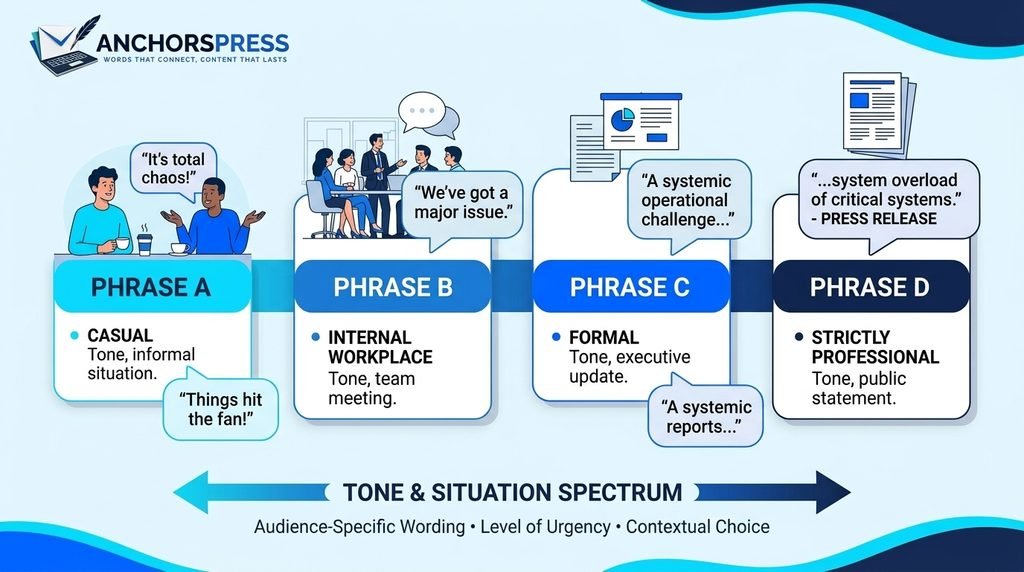
| Alternative | Best Used In | Tone |
| Things went south | Everyday conversation, work | Casual |
| The situation escalated | Reports, meetings | Professional |
| Everything fell apart | Personal stories, setbacks | Casual |
| All hell broke loose | Dramatic conversations | Very casual |
| The situation blew up | Arguments, controversies | Casual |
| Problems came to light | Business and formal writing | Professional |
| Everything went wrong | General situations | Neutral |
| The bottom fell out | Business or sudden decline | Serious |
| Things got messy | Complicated situations | Casual |
| The consequences caught up with them | Accountability and results | Formal |
Common Mistakes
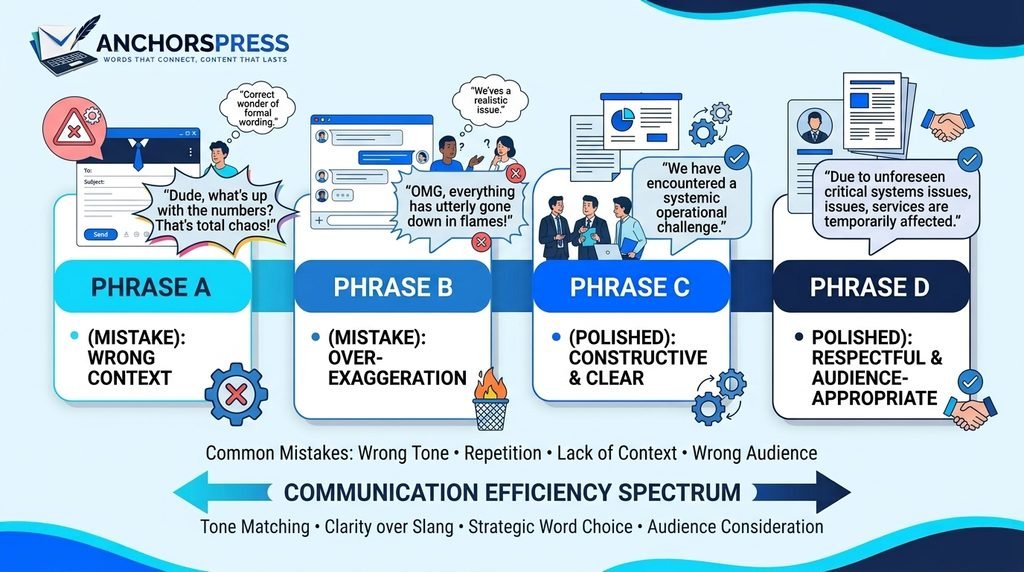
1. Using Casual Phrases in Professional Emails
Expressions like “all hell broke loose” can sound too informal for clients, supervisors, or official documents. Use a professional alternative such as “the situation escalated” instead.
2. Choosing a Phrase That Is Too Dramatic
Not every problem is a disaster. Saying “everything fell apart” may exaggerate a situation that simply became inconvenient.
3. Ignoring the Cause of the Problem
Some alternatives describe chaos, while others describe consequences. Make sure the phrase matches what actually happened.
4. Repeating the Same Expression
Using “hit the fan” several times can make your writing sound repetitive. Switching to natural alternatives keeps your language fresh.
5. Forgetting the Audience
A phrase that sounds natural among friends may sound unprofessional in a business meeting. Always consider who will read or hear your words.
Frequently Asked Questions
What is another way to say “when things hit the fan”?
You can say “when things went south,” “when the situation escalated,” or “when everything fell apart.” The best choice depends on the tone you need. For professional communication, “the situation escalated” or “problems came to light” usually sounds more appropriate.
What does “hit the fan” mean?
“Hit the fan” means that a situation has suddenly become serious, chaotic, or difficult. It often happens when a problem is exposed or when the consequences of a mistake become impossible to avoid. The phrase is commonly used in informal American English.
What is a professional way to say “hit the fan”?
A professional alternative is “the situation escalated.” You could also say “serious problems emerged,” “issues came to light,” or “the situation became critical.” These options communicate the same general idea without using a casual or potentially inappropriate expression.
Is “hit the fan” appropriate in a work email?
Usually, it is better to avoid “hit the fan” in a formal work email. The phrase is informal and may sound blunt. Consider using “the situation escalated,” “a serious issue arose,” or “several problems emerged” for a more professional tone.
What is a polite way to say “things went badly”?
You can say “the situation became challenging,” “things became complicated,” or “several issues arose.” These phrases sound polite and professional. They are especially useful when discussing mistakes or problems without making the situation sound overly dramatic.
What is a slang alternative to “hit the fan”?
“All hell broke loose” and “the situation blew up” are common informal alternatives. Both describe a situation that suddenly becomes chaotic or serious. However, “all hell broke loose” is stronger and more dramatic, so it is best reserved for casual conversation.
What is another idiom for a situation getting worse?
“Things went south” is one of the most common idioms for a situation getting worse. Other options include “the bottom fell out” and “things got messy.” Each phrase has a slightly different meaning, so context is important.
Can “hit the fan” have a negative meaning?
Yes. “Hit the fan” almost always has a negative meaning because it describes serious trouble, chaos, or unpleasant consequences. People often use it when a mistake is discovered, a conflict grows, or a difficult situation suddenly becomes much worse.
Conclusion
Finding another way to say “hit the fan” can help you communicate more clearly and choose the right tone for each situation. “Things went south” is a natural choice for everyday conversation, while “the situation escalated” works well in professional or formal settings. If you want to describe sudden chaos, “all hell broke loose” or “the situation blew up” may fit better.
For hidden problems that have been discovered, “problems came to light” is often the clearest option. The key is to consider your audience, the seriousness of the situation, and the tone you want to create. Choose the phrase that best matches the moment, and your writing will sound more natural, precise, and effective.

Daniel Cho writes about professional communication, drawing on years spent training teams on clear, confident workplace writing — from emails to performance reviews.